
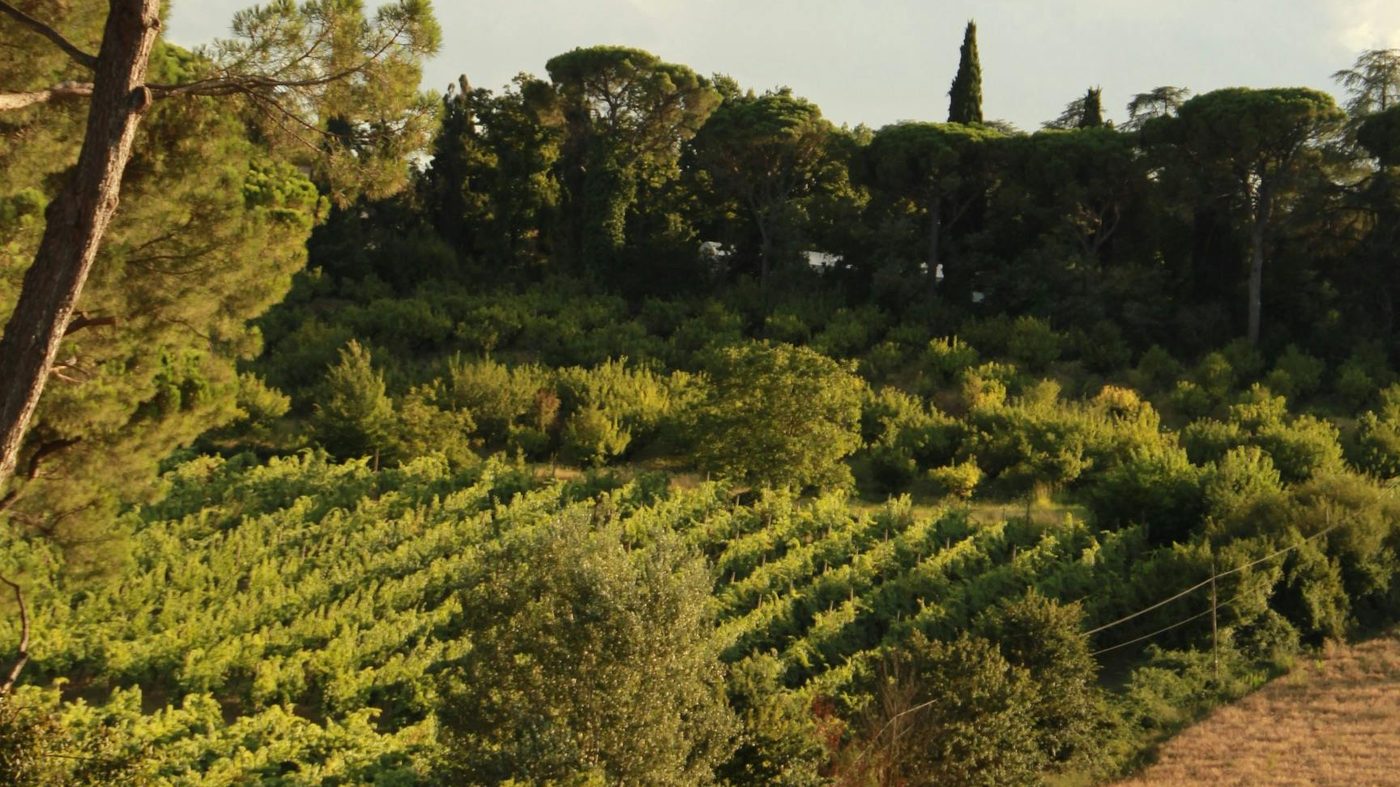
Tuscany remains the most coveted destination for foreign buyers looking to purchase a vineyard in Italy. The combination of world-famous appellations, reliable land appreciation and the enduring appeal of la dolce vita makes it unlike any other wine region on earth. But the gap between the dream and the reality is significant – and the numbers vary more than most buyers expect.
This article covers what vineyard property in Tuscany actually costs, where the key zones are, what drives the price differences, and what foreign buyers need to know before entering the market. For broader context on the wines produced here, our Italian wine regions guide covers Tuscany, its appellations and its grapes in full detail.
The Tuscan Vineyard Market in 2026
Tuscany consistently attracts the highest share of foreign capital in Italian agricultural real estate. American, British, German and Swiss buyers dominate enquiries, drawn by the DOCG appellations, the landscape and the lifestyle. Demand has remained robust through 2025 and into 2026, with land values in premium zones continuing to appreciate.
The market is defined by enormous variation. The same number of hectares can cost five times more in Montalcino than in the Maremma. Understanding those differences is the foundation of any serious purchasing decision.
Price by Zone – What the Numbers Look Like
Chianti Classico
The historic zone between Florence and Siena remains the benchmark for Tuscany vineyard pricing. Established Chianti Classico DOCG vineyards are valued at approximately €150,000–€200,000 per hectare for planted land in good condition. A small estate with 2–3 hectares of vines, a farmhouse and basic winery facilities typically enters the market at €2–3 million. Larger, more established estates with hospitality infrastructure and proven wine production reach €5–15 million and beyond.
Brunello di Montalcino
Montalcino commands the highest prices in Tuscany for vineyard land. Values range from €250,000 to €700,000 per hectare depending on position, vine age and DOCG registration status. The most sought-after plots – south-facing slopes at altitude with established Sangiovese Grosso vines – can reach €1 million per hectare. Complete estates rarely come to market below €3 million, and serious commercial properties are priced from €8–25 million.
Bolgheri and the Maremma Coast
Bolgheri – home of the Super Tuscans, including Sassicaia and Ornellaia – has some of the most expensive vineyard land in Italy, with prices reaching €250,000–€700,000 per hectare in the most prestigious areas. The broader Maremma offers a significant step down: productive DOC vineyard land here can be found from €30,000–€80,000 per hectare, making it one of Tuscany’s most accessible entry points for buyers with commercial production in mind rather than appellation prestige.
Vino Nobile di Montepulciano
The hill town zone around Montepulciano sits between Chianti Classico and Montalcino in both prestige and price. Vineyard land is typically valued at €100,000–€250,000 per hectare, with established estates entering the market at €1.5–5 million depending on size and condition.
What Drives the Price Difference
The single most important factor is appellation status. Registered DOCG vineyard land commands a significant premium over unregistered or DOC land in the same area – buyers are essentially paying for the right to produce wine under a controlled designation with international recognition and guaranteed export value.
Vine age matters significantly. Established vines over 20–30 years old produce more complex wines and are considerably harder to replace – replanting and waiting for vines to reach quality production takes a minimum of 5–7 years. Old vine estates command a premium that is not always immediately visible in the per-hectare price but is reflected in the total asking price.
Infrastructure – a functioning winery, storage cellars, bottling equipment and hospitality facilities – adds substantial value and equally substantial complexity. Buyers must assess whether existing infrastructure meets current production standards or requires significant capital expenditure.
Agriturismo vs. Pure Winery
Many Tuscan vineyard estates operate as agriturismi – combining wine production with accommodation and hospitality. This dual-revenue model is particularly attractive to foreign buyers seeking lifestyle as well as returns. Agriturismo revenues can be substantial in peak season, and the category benefits from favourable Italian tax treatment.
A pure commercial winery without hospitality infrastructure will be priced differently and requires a different business model – typically focused on wine sales through distribution, direct export, or a wine club. Both are viable; the choice depends on the buyer’s time commitment and operational preferences.
What Foreign Buyers Need to Know
Italy does not restrict foreign ownership of agricultural land. Citizens of most countries – including the United States, the United Kingdom, Canada and EU member states – can purchase vineyard property on the same terms as Italian buyers, provided the principle of reciprocity is satisfied.
The purchase process involves several stages: a preliminary due diligence period (typically 2–3 months), a preliminary contract with a deposit of 10–30%, and final completion before a notary. Only a registered Italian notaio can legally finalise the transfer of ownership.
Taxation on agricultural land purchases is typically 15% registration tax. However, buyers who qualify – or commit to qualifying within 24 months – as a Professional Agricultural Entrepreneur (IAP) can reduce this significantly, replacing the 15% with a fixed fee of €200 plus 1% cadastral tax. This distinction is worth understanding early in the process.
Up to 40% of premium Tuscan vineyard transactions happen off-market. Serious buyers work with specialist agricultural real estate agents and legal counsel from the outset – not because the process is inaccessible, but because the best properties rarely reach public listings.
Realistic Entry Points in 2026
For buyers entering the Tuscan market in 2026, realistic expectations by budget look roughly like this:
€1–2 million: Small holdings of 1–3 hectares in secondary zones, or unrestored farmhouses with vineyard land in IGT areas. Suitable as lifestyle investments with long-term development potential.
€2–5 million: Established small estates in Chianti Classico or Vino Nobile di Montepulciano with functioning winery and residential property. The most active segment for international buyers.
€5–15 million: Mid-sized commercial estates with DOCG registration, established wine brands and hospitality infrastructure. Requires professional management and a clear commercial strategy.
€15 million+: Trophy estates in Brunello di Montalcino, premium Chianti Classico or Bolgheri. Includes historic villas, established wine labels and in some cases significant agriturismo revenues.
The Opportunity in Context
Tuscan vineyard land has appreciated at 5–7% annually over the past decade in premium appellations. The combination of land scarcity in DOCG zones, sustained international demand. Also, the global strength of Italian wine as a category supports continued appreciation. That said, vineyard ownership is an operational commitment as much as an investment – the land does not manage itself, and the wine market requires active engagement to generate returns.
For buyers whose primary motivation is lifestyle rather than commercial returns, that calculation changes significantly. The value of owning a producing estate in Chianti or Montalcino is not fully captured in yield calculations.
Wine with a view of the rolling hills in Tuscany, Italy 🍷❤️ pic.twitter.com/YBgQnOQJVX
— Linda Fritz (@LindFritz) May 13, 2026
0 Kommentare zu „Buying a Vineyard in Tuscany – What Does It Really Cost?“